When it comes to designing my animation I have to create it with Tufte’s five design theories in mind.
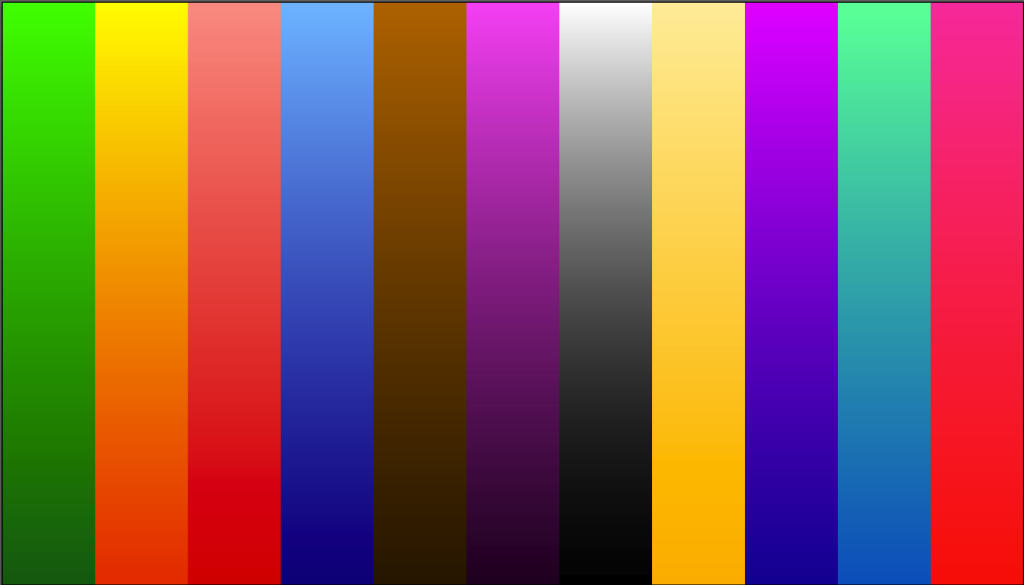
To begin with the first theory of Edward Tufte is the importance of the use of colour. Tufte has many theories on the use of colour in analytic design. One thing Tufte believed is that colour can be used as a way of recognising things, for example orange for the orange fruit or red for an apple. This is something I will use within my animation to help certain parts of my animation be more recognisable, for example the Swiss cheese will be the same muted yellow colour that it is in real life, which muted/duller colours is also another thing Tufte recommends as more nature like colours are easier for our eyes to read and understand. Tufte also states that shadows can be used to show visual depth giving something two dimensional the look of three dimensional, for my animation I will create a grid of colours with a gradient going from dark to light to create that look and add depth to my models and will use it throughout by UV unwrapping. As my animation includes a few aspects of nature such as trees, grass, wood and more there will be further use of more natural colours, however they won’t be as muted and more the opposite but still chosen so that they contrast from one another so their easy to tell apart.
Another one of Tufte’s theories is the narrative of space and time and how data and visuals change over time, for my animation the morph includes changing from Stonehenge which is something from the far past to a city which is something more present day, my whole idea was to show the difference between past and present and how the world has changed over time.
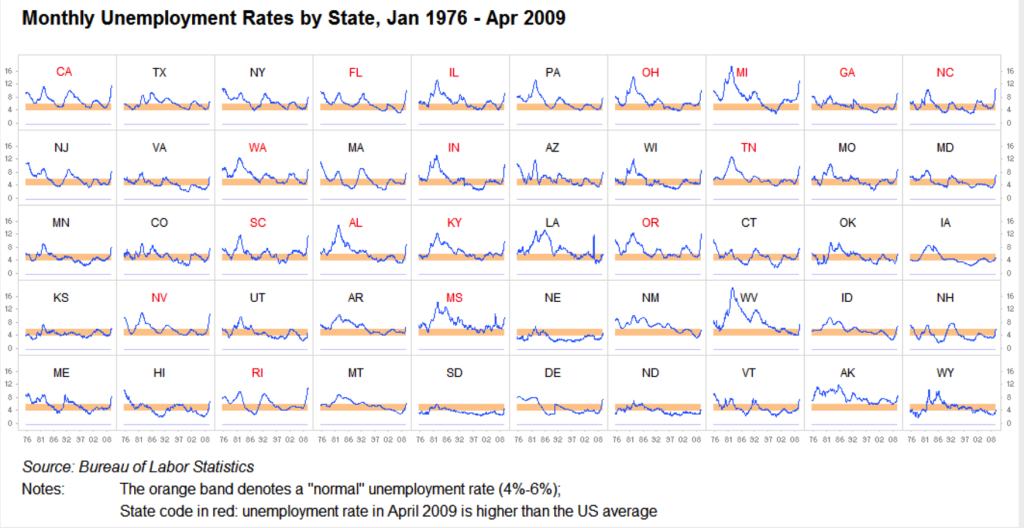
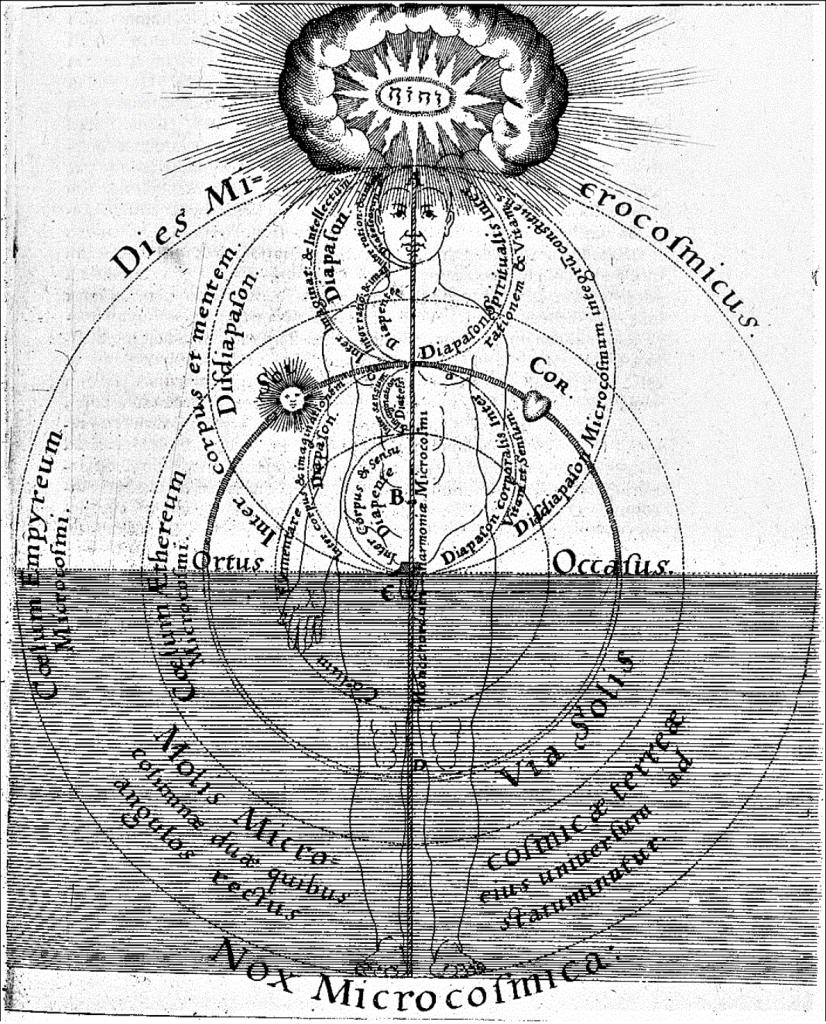
A third theory of Tufte is Micro-Macrocosm which is how lots of tiny pieces of data (Micro) with their own distinctive meaning form together to form a bigger picture (Macro), an example of this in the real world would be a small village that has its own little stories and the country as a whole that is made up of those tiny villages. For my design I will integrate this theory by having each piece shown separated and then how they piece together to form the whole structure. This can also tie into Tufte’s fourth design theory which is of Small Multiples, this theory is basically the collection of a number of objects that look similar but when seen together is clear they are not. This will be integrated in my design by showing each separate part of Stonehenge and showing them in a frame all together so that the viewer can see clearly that they are actually different from one another.
The final theory from Tufte is of layering and separation which is the layering of information and avoiding it being to jumbled up and confusing to the reader. To avoid this in my animation my flyby will go round and display as much of the separate elements/ layers as possible and I will also space them out appropriately so that they don’t seem to crammed together.
When it came to researching online for these design theories I struggled to find any sites and so all information I gathered from the presentations provided in class and Edward Tufte’s book “Envisioning Information.”