Zaha Hadid (full name Dame Zaha Mohammad Hadid) was an Iraqi-British architect artist and designer. She was born in Baghdad, Iraq in 1950, in her early life Zaha Hadid studied mathematics at the American University of Beirut. In 1972 she moved to London to attend the Architectural School where she was later awarded the Diploma Prize in 1977.
it was 1983 where Zaha Hadid began to receive international recognition due to her competition winning entry for “The Peak” which is a leisure and recreational centre in Hong Kong. Her work was inspired by Kazimir Malevich who was a member of the suprematizm movement, which was a Russian movement originated by Kazimir, a movement a first of its kind of pure geometrical abstraction in painting.
Hadid’s designs pushed the boundaries and the norms of architecture in the 1980s and 1990s so the majority of her designs including “The Peak” were never realized, this gave the name “Paper Architect” to Hadid as her designs were too radical at the time and never moved past the sketch phase to be built. Once her designs were rendered in the form of detailed coloured paintings and showcased in museums this impression of her was heightened.
Her first major built project, named the Vitra Fire Station, was built in 1993 in Weil am Rhein, Germany and was constructed using a series of sharply angled planes and was built in a way to resemble a bird in flight.
Zaha Hadid was renowned for her disregard for dull functionality and liking for experimentation, Hadid would not alter or compromise her designs, instead her swooping and curved futuristic buildings tended to be structurally complex. Her designs arguably helped to popularise and idolise architecture into something for people to enjoy.
Hadid became a massive inspiration to fellow female architects been the first woman to receive the Pritzker Architecture Prize in 2004, and winning the UKs most prestigious architectural award the Stirling Prize in 2010,2011 and 2012 and then made dame by Queen Elizabeth II for her services to architecture.
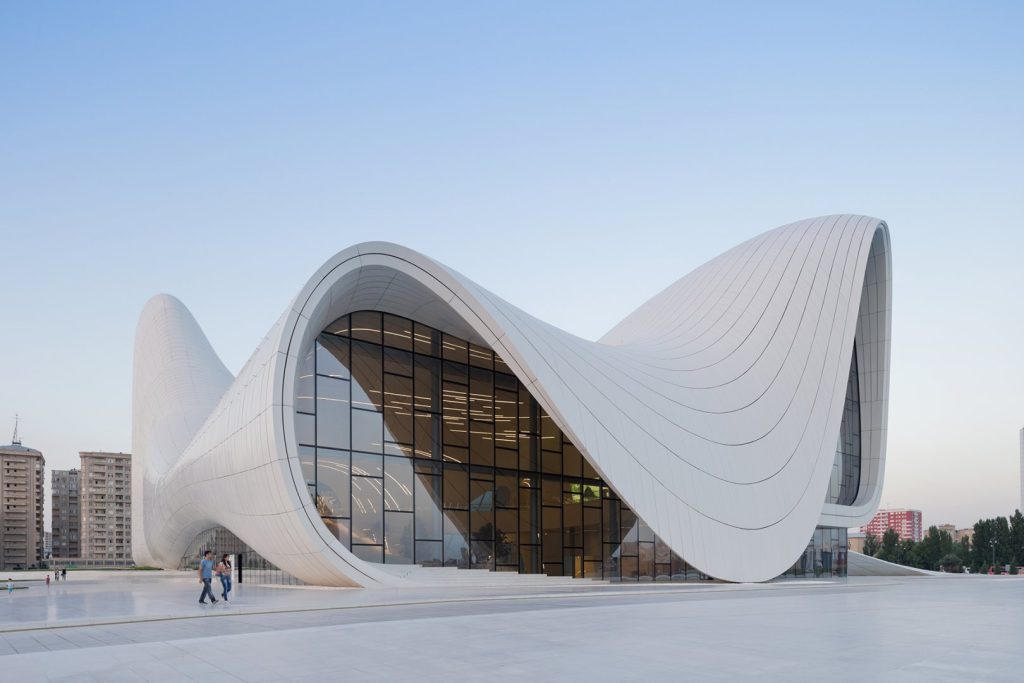
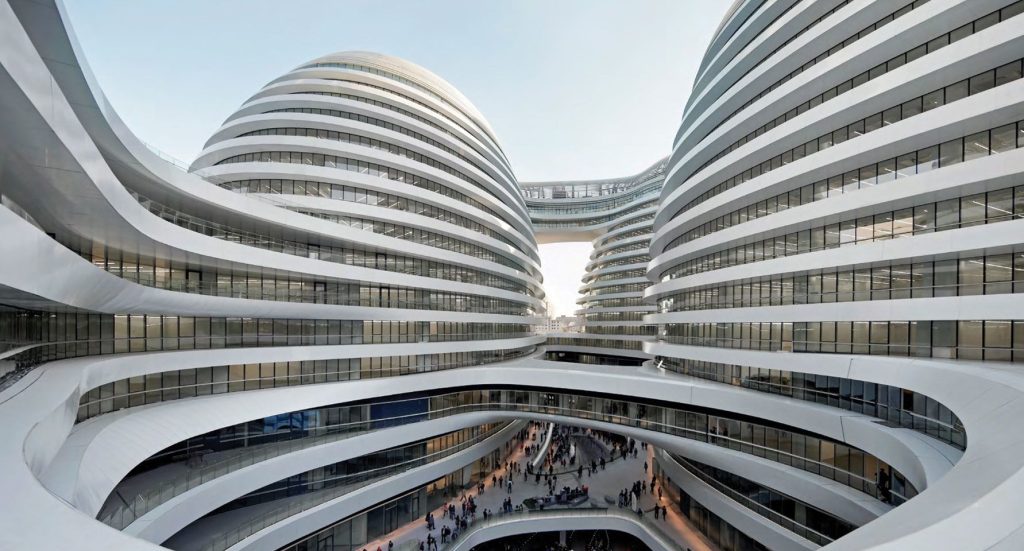
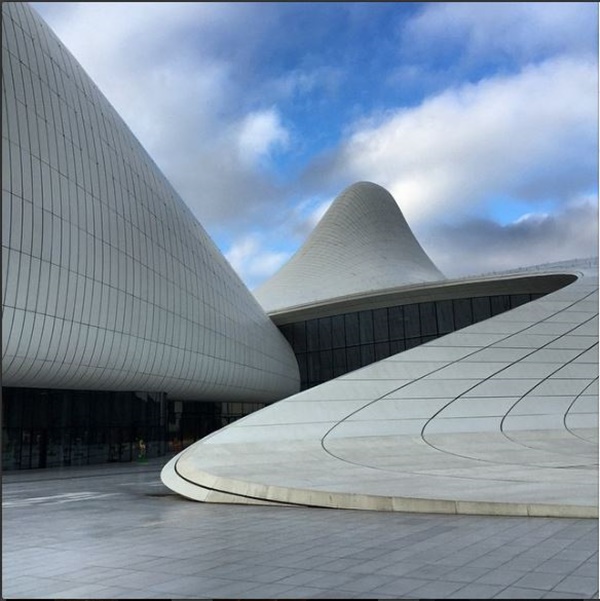
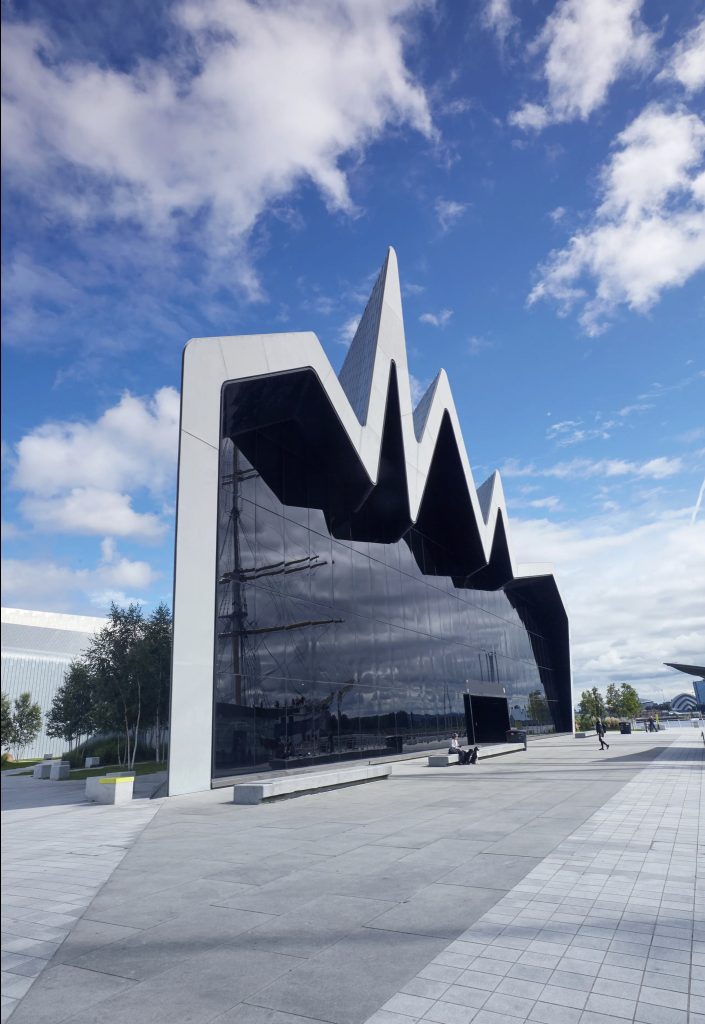
Zaha Hadid over the years had a range of different projects such as arts and science centres, museums and museum extensions all the way to ski jumps and bridges. all her projects were unique, however, had something in common as they were all described as intensely futuristic and were characterized by curving facades and sharp angles and were used using the strongest of materials such as concrete and steel but manipulated to form objects that appeared the contrast as they looked soft but still sturdy.
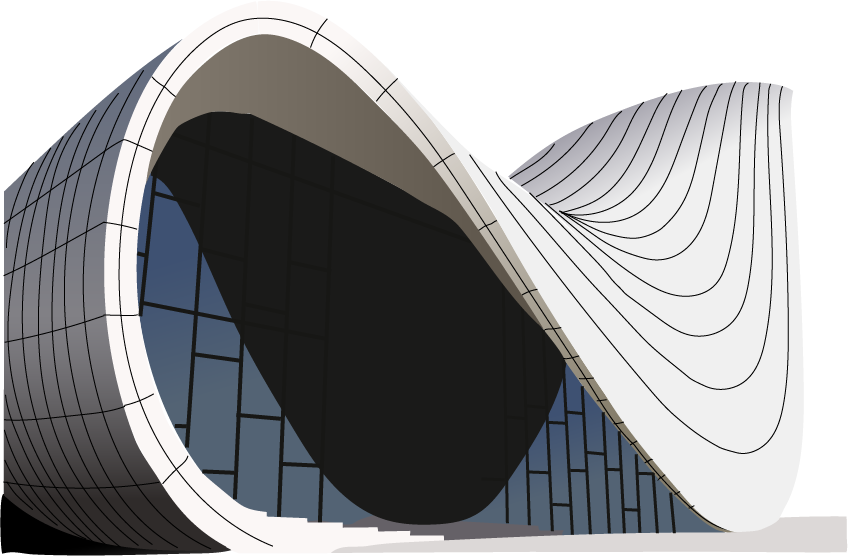
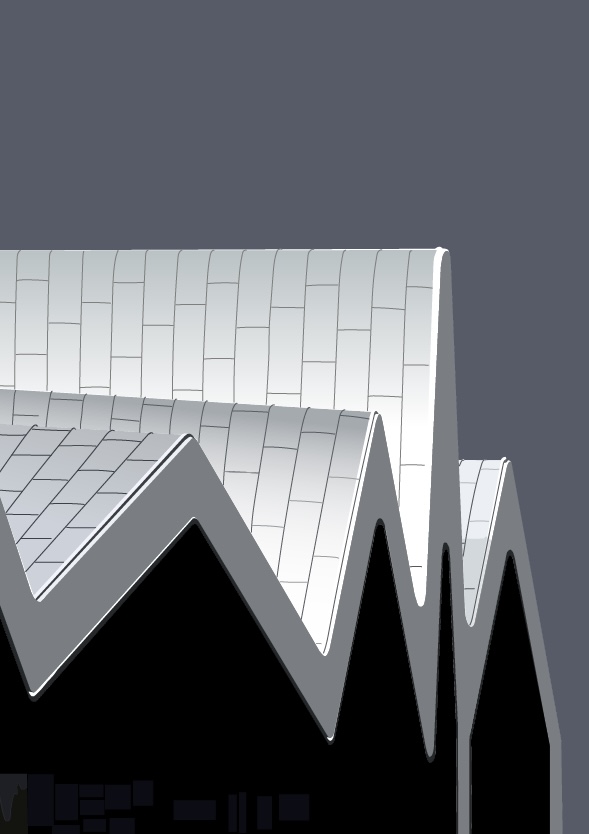
Within my illustrations of Zaha Hadid’s works my aim was to capture the sharp angles and curves and panels that are used to create her builds. My first two illustrations were made using illustrator and captured the use of panels in the buildings by leaving in the lines and used gradients to help show the curvature and depth within the buildings and also the sharpness of some, I also left the background of the illustrations to give the buildings that minimalistic look and to help make them the focus point. With the colours I stuck to the original colours, that bright white look that Zaha Hadid uses on her builds to further fortify that clean and futuristic look she incorporates in her builds.
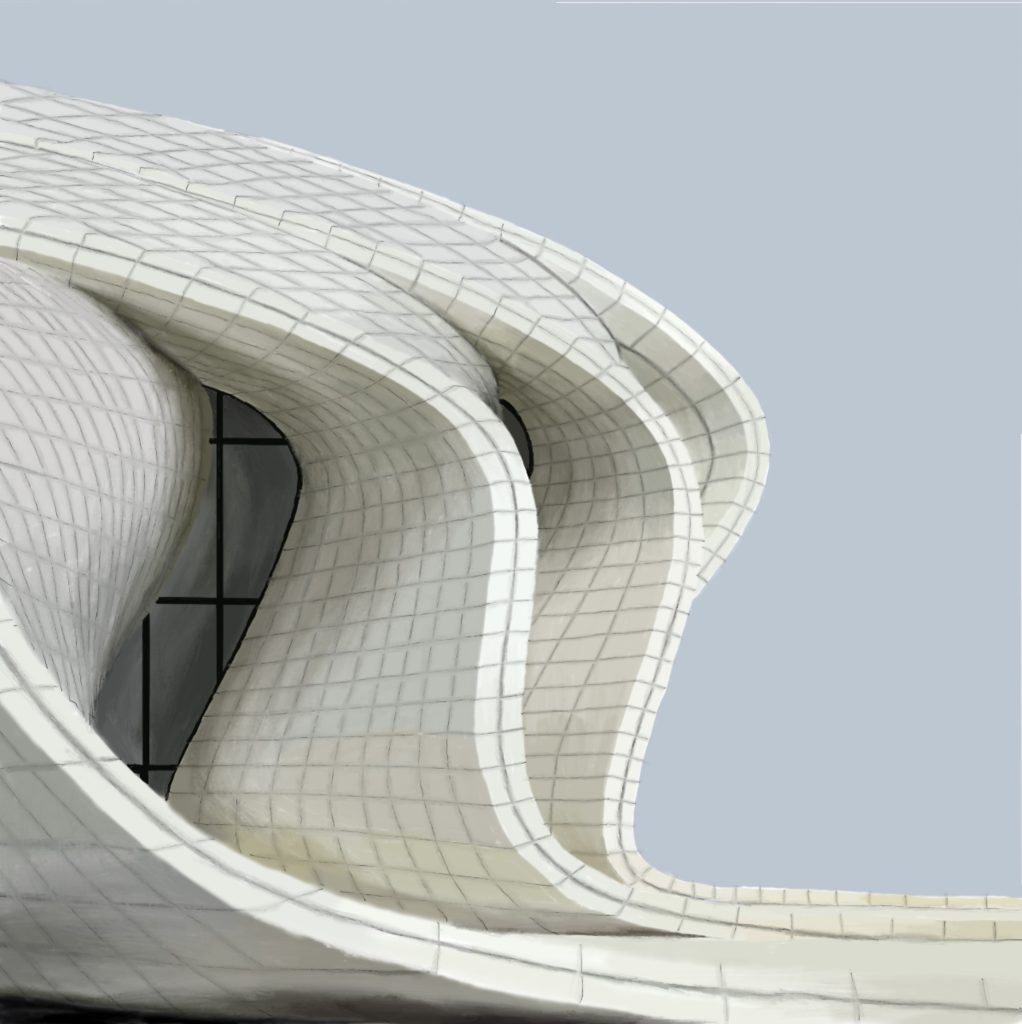
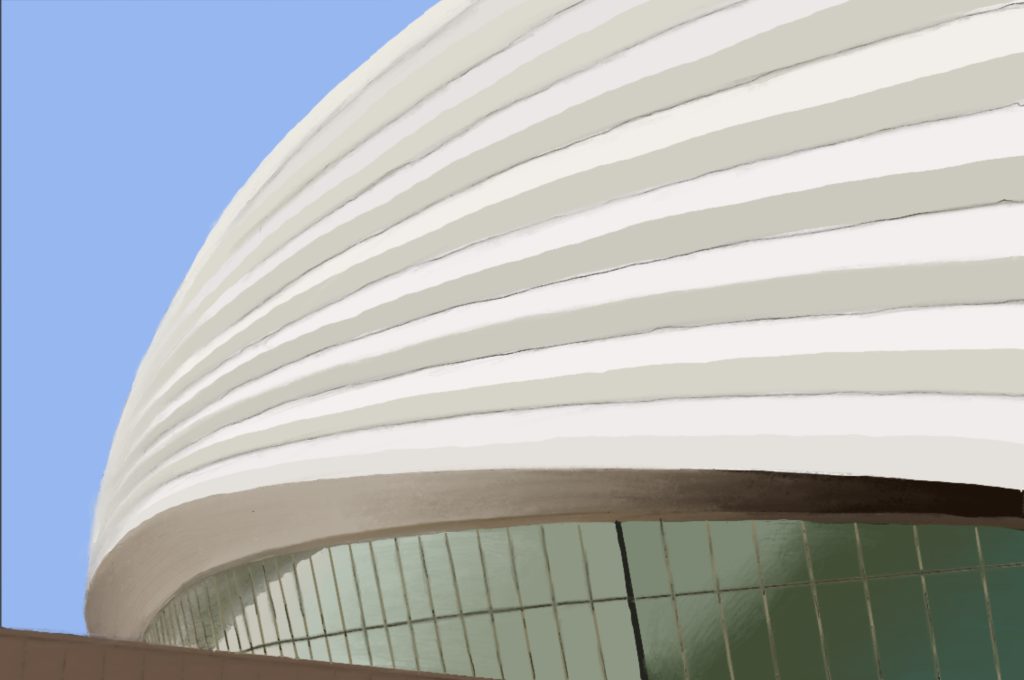
With the third and fourth illustrations I created them using Procreate on my iPad, my aim for these pieces was to create them how I imagined Zaha Hadid’s early paintings would look back when her designs weren’t been realized, I created them in a way that makes them look a bit more rough, a bit more like an early imagination and mock up of one of her works, I left the brush strokes slightly visible in some places to further give the feeling of it been more of a rough painting as opposed to a clean illustration like my first two. I again left in the lines of the panels in the illustrations to further show the style of Zaha Hadid and to show again the curvature and sharp angles within her builds.
Images can be found here:
https://www.architecturaldigest.com/gallery/zaha-hadid-greatest-works-slideshow
https://www.re-thinkingthefuture.com/top-architects/a295-30-projects-that-define-zaha-hadids-style/
https://www.cnn.com/style/article/zaha-hadid-architects-buildings/index.html
Sites for my research can be found here: